
Biophilic design home ideas are capturing attention for a good reason: integrating nature indoors does more than just beautify spaces—it measurably improves well-being, productivity, and property value. This guide breaks down the essentials, provides practical steps, and reveals the realities most sources overlook.
Key Takeaways
- Biophilic design features like plants, natural light, and green walls can boost mental health, attention, and even the value of your property.
- Startup costs and maintenance are real concerns—professional advice is crucial, especially for living wall installs.
- Smart tech and AI are the new frontier for sustainable and easy-to-manage nature-inspired homes.
The Core Concept of Biophilic Design Home
Biophilic design home strategies weave elements of nature—such as plants, water features, and natural materials—directly into the built environment. The “why” behind this is clear: research consistently finds that direct exposure to nature reduces stress, improves mood, enhances focus, and, in some markets, can even increase home values. For example, a 2024 study found significant benefit to mental recovery and inspiration in spaces packed with biophilic features (source). Living walls and thoughtful plant choices improve air quality and bring the outside in, while energy-efficient natural lighting mimics the rhythms of sunlight, promoting steadier moods and better sleep.
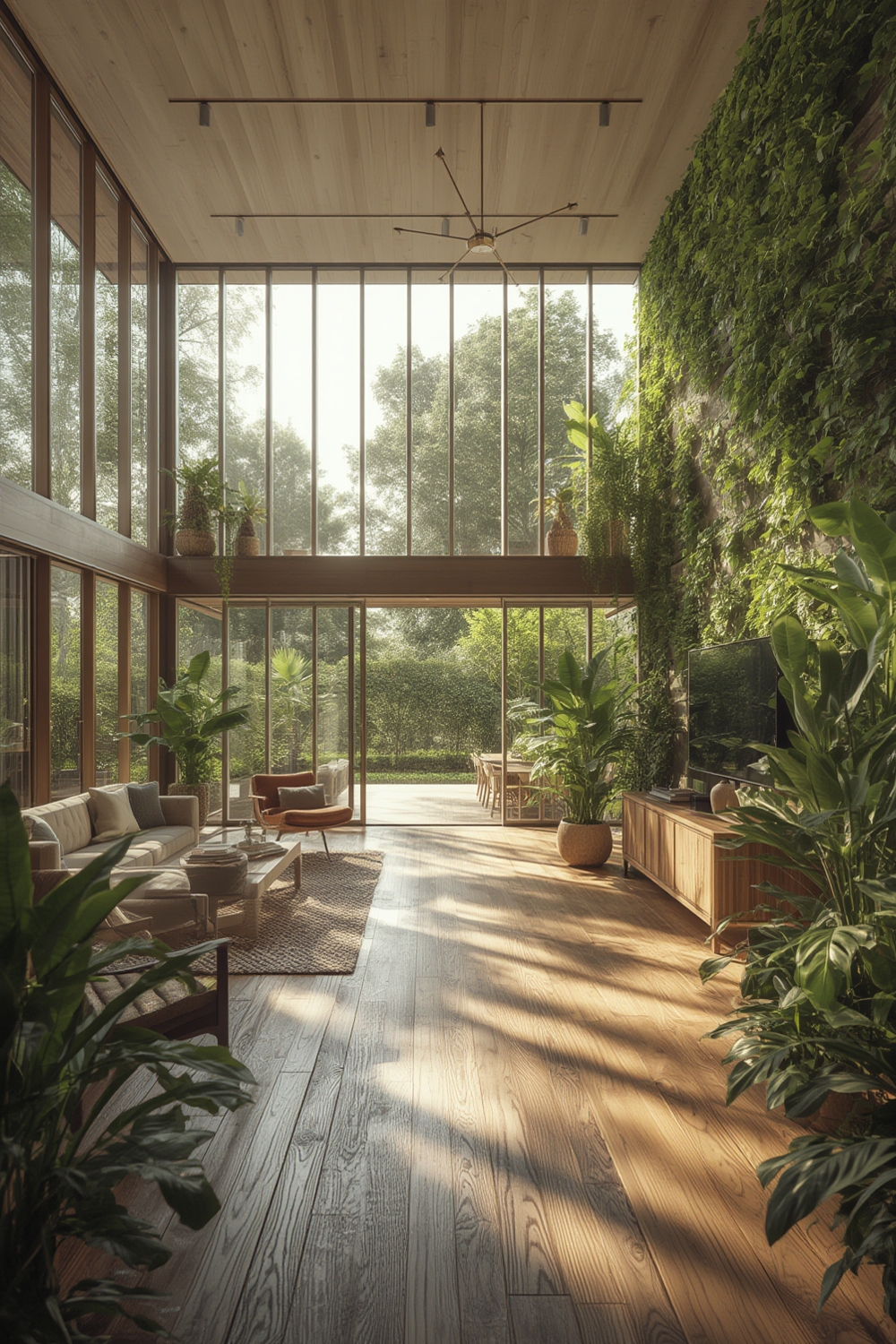
But biophilic design is more than adding a potted fern—it’s about creating an immersive, multi-sensory connection to nature indoors. When done well, it supports wellness, enhances aesthetics, and may command a price premium compared to homes lacking nature integration (source).
If you’re interested in how outdoor spaces can complement your indoor nature design, check out this expert guide to landscaping services near you to create synergy between your garden and interiors.
Step-by-Step Guide: Implementing Biophilic Design in Your Home
- Start With Light: Maximize exposure to daylight. Use sheer curtains, rearrange furniture near south-facing windows, and consider installing skylights or smart LED lighting that mimics circadian rhythms.
- Select the Right Plants: Low-maintenance species such as snake plant, pothos, ZZ plant, and peace lily are ideal. living walls using hydroponic panels can dramatically boost greenery, but require initial planning and ongoing care (source).
- Use Natural Materials: Incorporate woods, stone, rattan, cork, and wool for finishes and furniture. Choose sustainably sourced options for long-term impact.
- Add Water Elements: Small fountains or tabletop water features can enhance calm, especially in busy urban environments.
- Install Living Walls or Green Walls: Consider hydroponic or soil-based vertical gardens. Professional installation is recommended for more robust systems, as ongoing maintenance includes regular watering and nutrient monitoring.
- Integrate Smart Technology: Use IoT sensors and home automation to monitor plant health, lighting cycles, and even adapt temperature and humidity for an optimal indoor ecosystem.
- Connect to Outdoor Spaces: Blur boundaries with large windows, sliding doors, and transitional patios. For ideas on improving your outdoor environment, explore this complete guide to transforming your landscape.
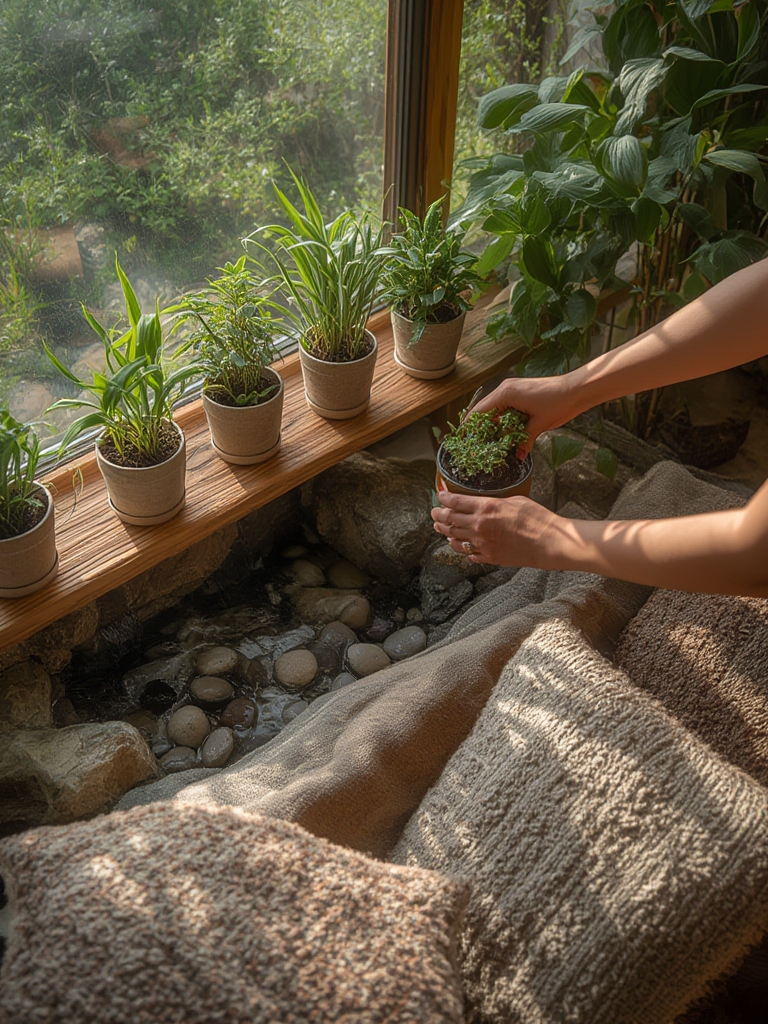
As you implement these steps, remember that not every trend fits every lifestyle or home. Be realistic about your available space, amount of natural light, and the time you can commit to plant care. You may want to consult professionals for living wall or vertical garden installations—these systems often require intricate set-ups and routine care to truly deliver on their promise (source).
Want to make your garden design stand out? Don’t miss these expert landscaping ideas for a seamless indoor-outdoor transition.
Advanced Analysis & Common Pitfalls
While biophilic design home concepts sound appealing, homeowners often hit real-world hurdles. Here’s what commonly goes wrong:
- Underestimating Maintenance: Living walls, especially hydroponic systems, look simple in photos but need ongoing watering, nutrients, and monitoring. Forgetting maintenance leads to pests, wilting, or water damage.
- Poor Plant Selection: Choices that look attractive may not thrive indoors, especially in low-light zones. Exotic or high-maintenance plants increase failure risk.
- Improper Installation: DIY attempts at green walls often result in leaks, mold, or minimal air filtration benefits. Professional setups include integrated barriers and drainage that prevent major headaches.
- Neglecting Integration With Daily Living: Place biophilic features in social and high-traffic areas. Hidden plants or small isolated decor pieces won’t provide measurable benefits.
- Overlooking Upfront and Ongoing Costs: While data is scant, green walls and smart home systems are significant investments. Maintenance—especially for high-tech features—can add unexpected monthly expenses.
| Feature | DIY Challenge Level | Common Issues | Pro Recommendation |
|---|---|---|---|
| Traditional Potted Plants | Low | Over/underwatering, pest issues | Use easy-care varieties, set reminders for care |
| Living/Green Walls | High | Leaks, pump failure, plant loss | Hire pro installer and schedule planned maintenance |
| IoT/Smart Plant Systems | Medium | Technical malfunctions, WiFi issues | Choose reputable brands, test backup manual controls |
| Natural Lighting Upgrades | Medium | Poor placement, glare, energy loss | Consult architect; consider energy assessments |
Modern solutions aren’t just about greenery; true innovation lies at the intersection of sustainability and technology. Unfortunately, most top articles skip these aspects entirely: AI algorithms optimize light exposure and airflow, IoT devices monitor plant health remotely, and smart home integration makes management less hands-on—see insights here.
Curious how to further enhance outdoor harmony for increased property value? This complete landscape guide spotlights professional upgrades worth considering.
Conclusion
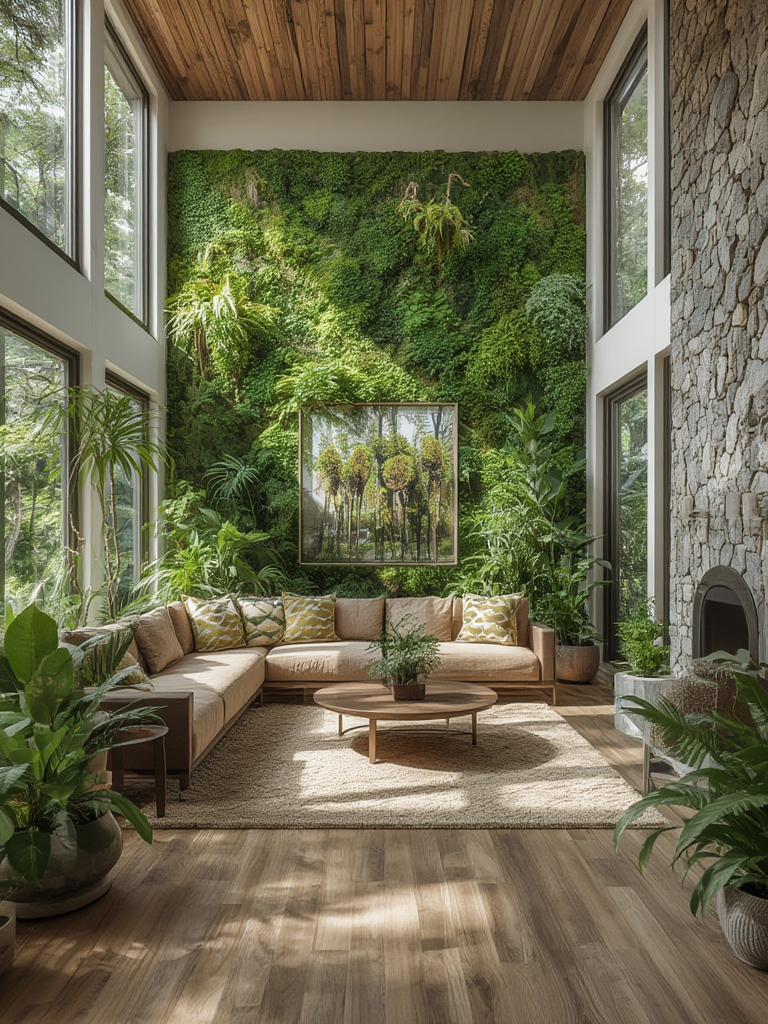
Biophilic design home innovations offer more than visual appeal—they foster resilience, wellness, and long-term value. Stay realistic: get expert advice for living wall installs, select resilient plants, and consider the benefits of integrating smart technology for sustainable maintenance. Addressing pitfalls up front transforms potential headaches into lasting gains. Ready to boost your mood and property value the natural way? Start crafting your biophilic design home today and experience the difference indoors and out.
Still have questions? Find actionable ideas for your exterior spaces too—visit our expert landscaping guide to keep the inspiration going.
FAQ Section
Which plants are best for a low-maintenance biophilic design home?
Snake plant, pothos, ZZ plant, and peace lily are top choices for low light and easy care. These species thrive indoors, require minimal watering, and help purify air.
How much does it cost to install a living wall in a typical home?
Exact figures for 2024 aren’t widely available, but living walls can be cost-effective compared to other renovation projects. Professional installation is advised, and ongoing maintenance (watering, nutrients, cleaning) adds to long-term costs.
What is the biggest mistake with DIY biophilic design projects?
Skipping professional help for complex features like living walls. This can lead to water damage, mold growth, or failing plants. Routine maintenance is also often underestimated.
Can smart home tech really improve my indoor plant setup?
Yes. IoT devices monitor moisture, light, and temperature, and can automate watering and lighting cycles—making it easier to keep indoor gardens thriving even with a busy schedule.
Does biophilic design really add value to my property?
Evidence from commercial real estate and early data from residential markets suggest that nature-inspired designs boost rental appeal and property values, especially for buyers seeking wellness and eco-living features.