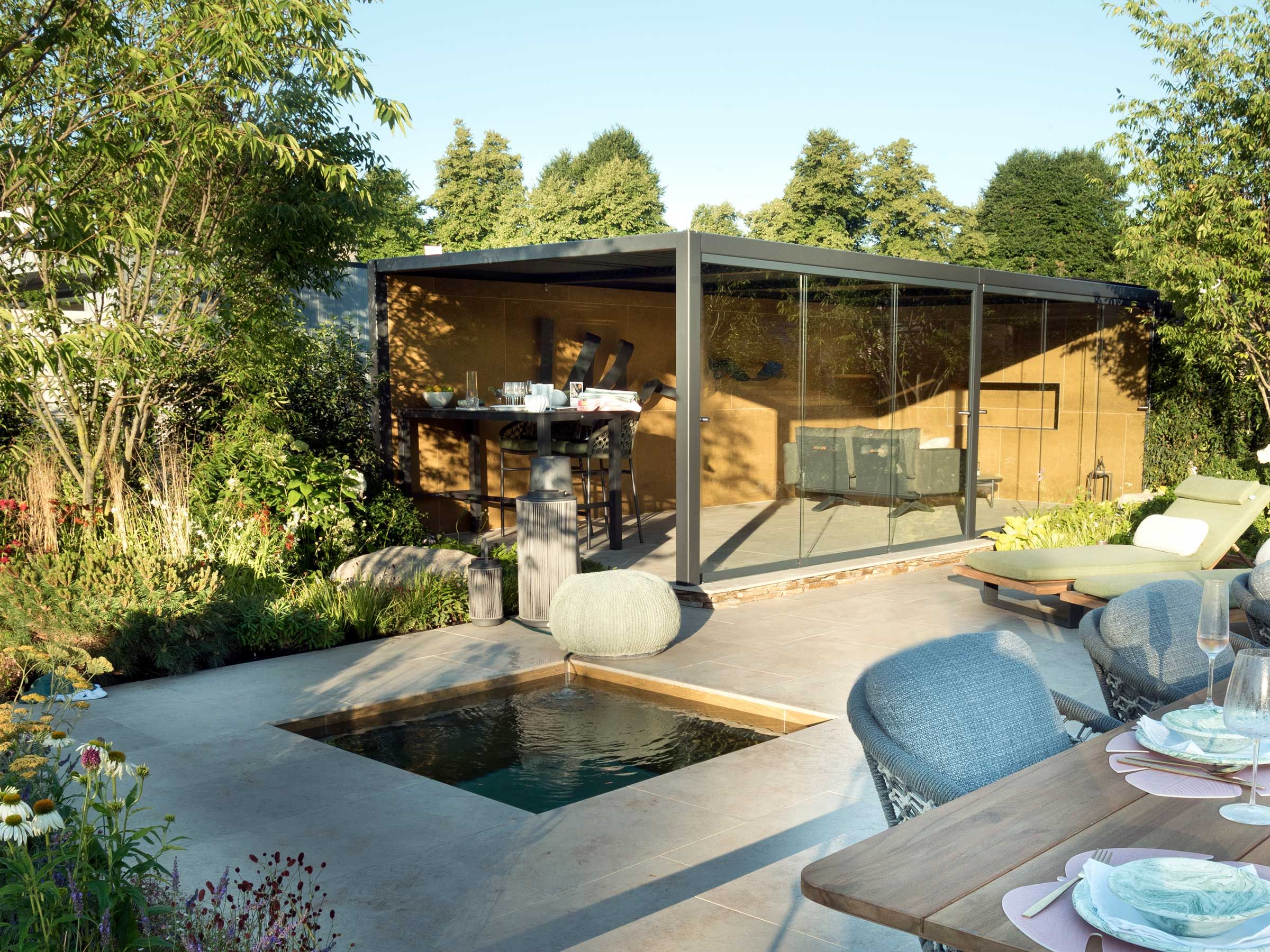
Cold plunge pool backyard setups are exploding in popularity as homeowners seek science-backed wellness amenities without leaving home. But this trend comes with big expenses, strict installation needs, and maintenance headaches—if you want a cold plunge pool in your own backyard, you have to plan smart and know the hidden challenges.
Key Takeaways
- The backyard cold plunge pool market is growing fast, with costs and code hurdles being major concerns for homeowners.
- Getting the most benefit depends on picking the right equipment, planning for total installation and ongoing expenses, and understanding zoning or insurance impacts.
- Most cold plunge health benefits are about temperature and use—hardware matters less than proper installation, comfort, and maintenance.
- 1. The Core Concept: What Is a Cold Plunge Pool Backyard—and Why Now?
- 2. Step-by-Step Guide: Building a Cold Plunge Pool Backyard Setup
- 3. Advanced Analysis & Common Pitfalls
- 4. Conclusion
- 5. FAQ
1. The Core Concept: What Is a Cold Plunge Pool Backyard—and Why Now?
A “cold plunge pool backyard” means a purpose-built or portable cold water tub—often with digital cooling and filtration—installed outdoors as a dedicated recovery and wellness amenity. These setups have evolved far past the old blue ice-bath barrel or livestock tank, with smart controls, insulation, and advanced sanitation.
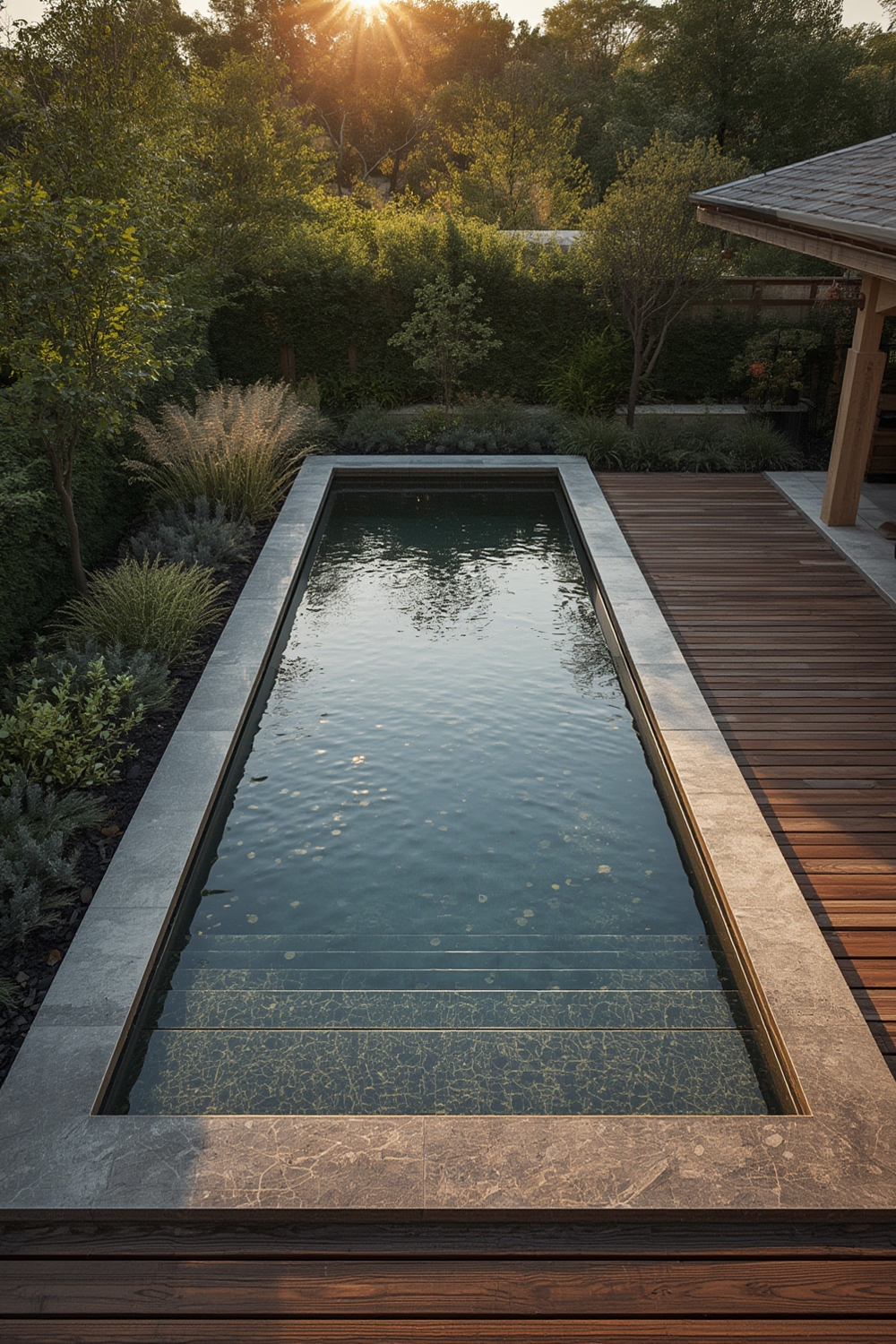
Why are so many homeowners considering one?
- Wellness trend explosion: The global cold plunge market grew to $746M in 2024, with outdoor backyards now 57% of sales.
- Real science: Cold water immersion reduces post-exercise soreness, boosts mood, and is easy to pair with a home sauna for “contrast therapy.”
- Luxury and resale value: Turnkey cold plunge systems are now showing up in custom homes alongside outdoor saunas and landscape upgrades.
The result: more brands, more options, higher demand, and skyrocketing prices. Most buyers, however, underestimate the full picture—cost, installation, and maintenance, as documented in multiple industry reports and market studies.
When planning your cold plunge pool backyard, a solid design and realistic expectations are crucial for results and safety. But that’s just the start—see below for a homeowner-tested approach and pitfalls to avoid.
2. Step-by-Step Guide: Building a Cold Plunge Pool Backyard Setup
-
- Size up your outdoor space and layout
Measure usable space, deck strength, property line setbacks, and delivery routes. Medium-sized units (not oversized spa-pools) are popular for fitting through gates and tight side yards. - Choose your cold plunge system type
Decide between a basic ice tub (cheapest), plug-and-play portable with chiller, or a built-in/custom plunge pool. Consider insulation, temperature controls, and filtration needs based on local climate and use frequency.💡 Pro Tip: In hot or sunny regions, pay up for extra insulation and a higher-power chiller—weak units struggle to stay cold on hot days and will drain your wallet with electricity costs.🔥 Hacks & Tricks: If you’re tight on electrical options, look for cold plunge models with variable-speed pumps and “eco” modes to reduce power draw and let you share circuits. - Plan utilities and surface
Most chiller units require a dedicated GFCI circuit (often 15-30A) and a flat, reinforced pad. Budget for electrical work and slab/deck upgrades as standard—the #1 surprise cost for homeowners. - Check local codes, barriers, and permits
Many municipalities treat cold plunges above a certain depth as pools or spas, requiring permits, fencing, or safety covers. Inspect HOA rules, too. Learn about compliance to avoid legal trouble and insurance denials (see common pitfalls later). - Select controls, sanitation, and covers
Prefer digital thermostats with at least ±1°F accuracy, reliable filtration (50+ sq. ft.), and UV or ozone support. Well-made covers cut energy use and block debris. Ask for specs, not just marketing promises.
- Size up your outdoor space and layout
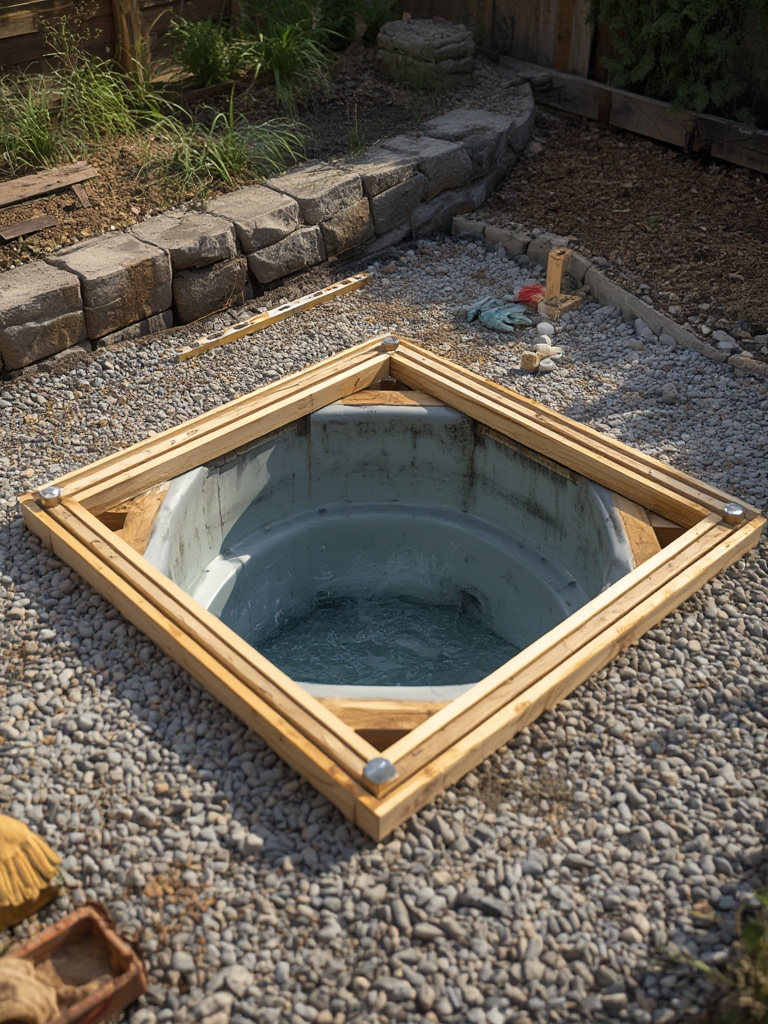
- Order delivery and arrange professional installation
For heavier or larger units, factor crane or dolly fees if access is tight. Do not try to save money by skipping qualified electricians or slab contractors—manufacturer warranties often require professional installation. - Connect water, balance chemistry, and set up maintenance routines
Commission the unit, fill as instructed, and dial in sanitizer and pH. Plan for filter changes based on use, and consider annual servicing for peace of mind. - Integrate with landscape design
Tie the plunge area into your yard with hardscape, planters, privacy screens, or lighting. For pro landscaping advice, see this expert landscaping guide or a complete landscaping transformation guide for inspiration.
3. Advanced Analysis & Common Pitfalls
Even with good planning, cold plunge pool backyard projects face real-world snags. Here’s a breakdown from user reviews, forum posts, and market analysis:
| Category | Common Issues | Tips to Avoid Trouble |
|---|---|---|
| Cost & Budget | Owners underestimate total costs—electrical upgrades, slab/deck work, fencing, maintenance. In-ground or luxury projects can be $25,000+ all-in. | Get line-item quotes (equipment, labor, permits, landscaping) before purchase. For high-end installs, request a fixed-bid proposal, not just “allowances.” |
| Space & Fit | Units may not fit through gates/side yards. Need for 3-4 ft service clearance—often missed during planning. | Measure tightest access point first. Consider partial assembly in place or smaller portable units if necessary. |
| Electrical & Power | Surprise need for new circuit or panel. Compressor noise too high for dense neighborhoods or near bedrooms. | Ask for decibel specs and cooling draw. Specify placement away from windows/walls. Budget for noise insulation if needed. |
| Regulations | Confusion on permits. Barrier/fence required if plunge is over 24″ deep. Possible insurance premium hikes. | Call local building department before buying. Confirm insurance covers home spas/cold plunges—disclose upgrades. |
| Sanitation & Upkeep | More filter, cleaning, and chemistry hassle than expected. Cold water slows sanitizer, so algae/biofilm risk grows if unused. | Buy the largest, easiest-serviced filter you can. Follow a regular schedule for cleaning and set reminders. |
| Reliability & Warranty | Some brands: Chillers fail, warranty is slow, parts hard to get, poor support. | Choose brands with local service networks and robust warranties. Read reviews for real support stories. |
| Comfort | Lack of entry steps or slippery surfaces. Some units too shallow or too deep for easy use by all ages. | Look for textured, slip-resistant steps, ergonomic seating. Try before buying if possible. |
Another major pitfall: underestimating the ongoing cost versus DIY ice baths or spa memberships. Efficient, insulated units and well-planned installs give the best balance of operating expenses and long-term reliability. For landscaping integration, consider unlocking the beauty of your outdoor spaces or advanced landscape design strategies before building.
4. Conclusion
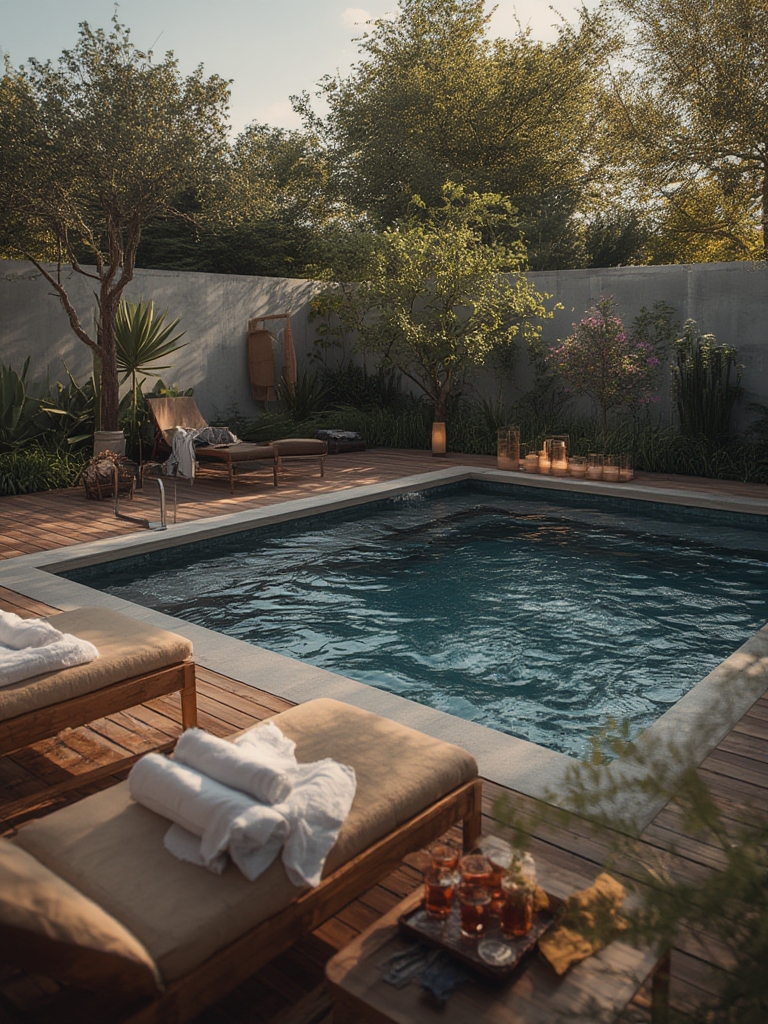
Done right, a cold plunge pool backyard brings potent health and recovery benefits, personal luxury, and next-level outdoor living—the key is planning for the total picture, from codes and power upgrades to year-round upkeep. Most problems start with missed details: budget surprises, maintenance headaches, or non-compliance with local rules.
If you want science-backed recovery and daily wellness at home, a cold plunge pool backyard is a solid investment—just go in with your eyes open, careful planning, and a detailed installation and maintenance plan. For landscaping integration, pairing with a sauna, or improved curb appeal, explore expert landscaping solutions and consult local professionals to get the most from your upgrade.
Ready to transform your space? Start by mapping a realistic budget, using this guide, and discussing your plan with your local builder and code office today.
5. FAQ
How much does a backyard cold plunge pool really cost in total?
Total cost typically ranges from $5,000–$25,000+, depending on portable versus in-ground install, site upgrades, electrical work, and code-required safety barriers. Operating costs (electricity, chemicals, maintenance) add $400–$1,000+ per year.
Is a cold plunge pool safer or better than a DIY ice bath?
For safety, cold plunge pools with filtration and sanitation are far superior to reused unfiltered tubs—less risk of infection and more precise temperature control. Results are similar if temps and exposure are the same, but cold plunges are much easier for regular use and maintenance.
Do I need a permit or fence for my backyard cold plunge?
If your plunge pool is deeper than ~24 inches, most municipalities count it as a pool or spa—permits, fencing, or safety covers (plus insurance notification) are usually required. Always confirm with your local building department before buying.
How do cold plunge pools compare for energy and water use?
Efficient, well-insulated models typically use $250–$600/year in electricity, more in hot climates. Water must be replaced periodically but is less than a swimming pool—proper sanitation, covers, and filter upkeep reduce ongoing costs.
Can I combine a cold plunge pool with a sauna in my backyard?
Absolutely. Many homeowners are combining cold plunge pools with outdoor saunas to create advanced “contrast therapy” setups. This adds to the wellness benefits and value but also increases initial and ongoing costs. For design inspiration, check out this expert guide to landscaping services.