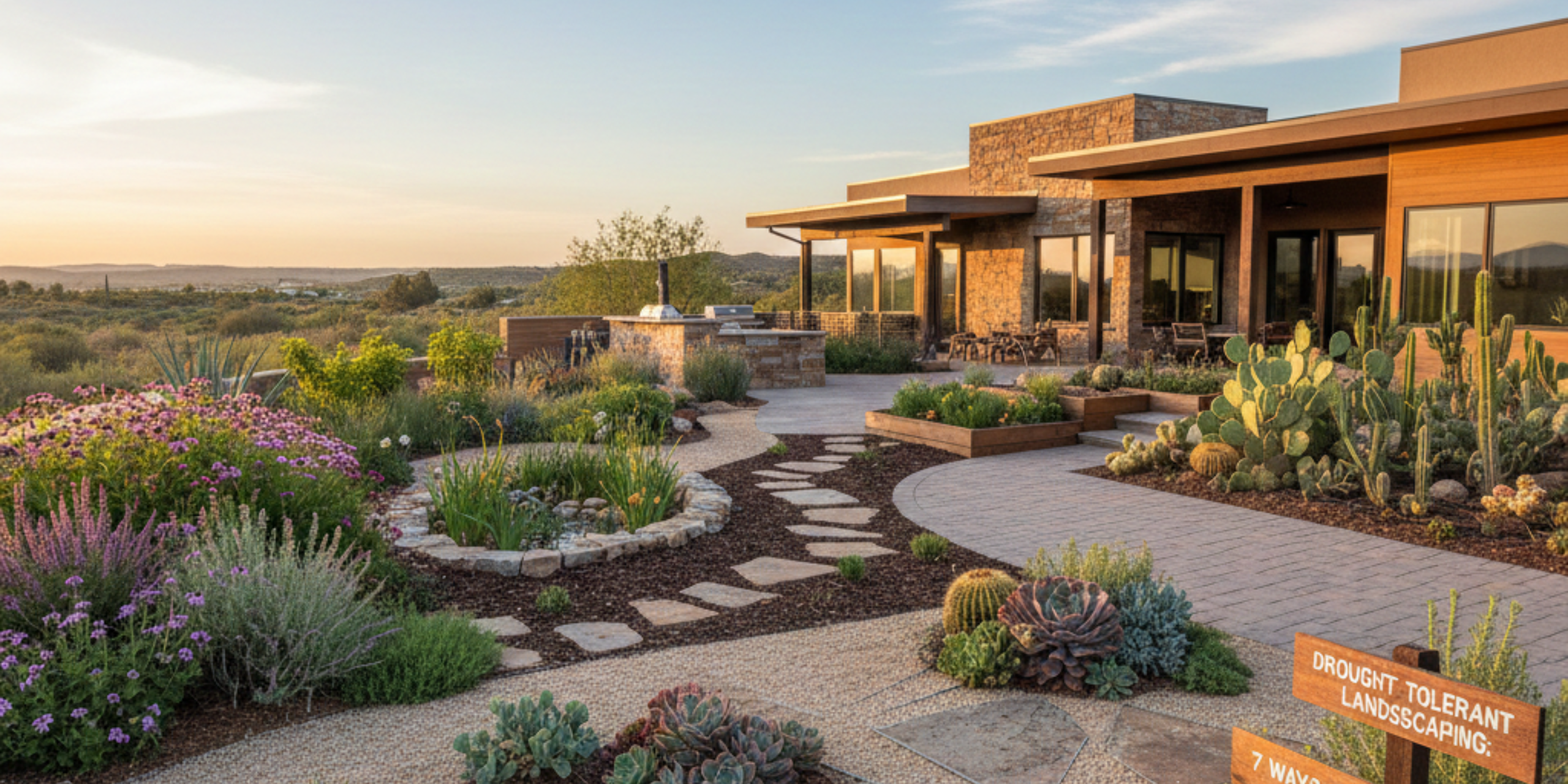
drought tolerant landscaping is transforming how American homeowners manage water and create visually appealing yards. These practical designs can sidestep high outdoor water bills and the hassles of traditional turf, especially as more regions push for smarter, water-wise yards. Here’s how to succeed with climate-adapted plants—and what to plan for before you start.
Key Takeaways
- Converting turfgrass to drought tolerant landscaping typically reduces outdoor irrigation demand by 30–70% per studies and leading utilities.
- Expect an upfront investment of $2–$6 per square foot DIY, $8–$20+ for professional installs—rebates in many states help offset costs.
- Challenges include confusing plant selection, initial maintenance spikes, HOA resistance, and a learning curve about efficient irrigation and plant care.
The Core Concept
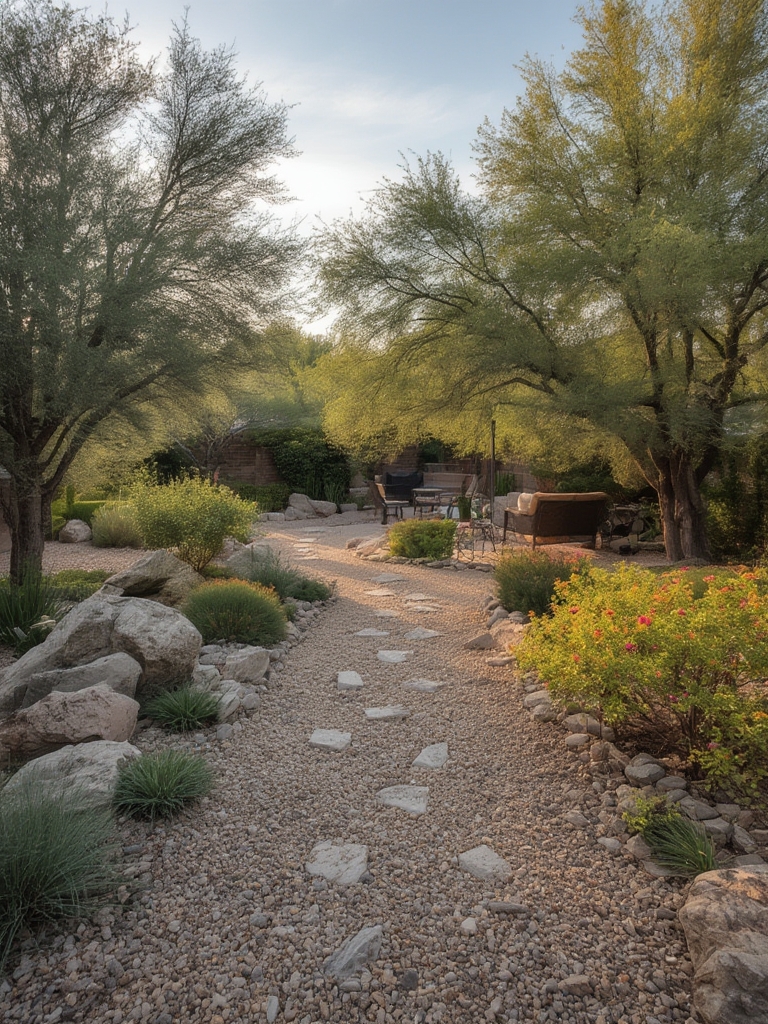
Drought tolerant landscaping (also called xeriscaping or water-wise landscaping) is the intentional design, installation, and management of outdoor spaces to minimize water use without sacrificing beauty. These landscapes use native or climate-adapted plants, groupings by water needs (hydrozoning), improved soil function, and highly-efficient irrigation. The payoff: much lower long-term irrigation needs and far less vulnerability to drought or water restrictions.
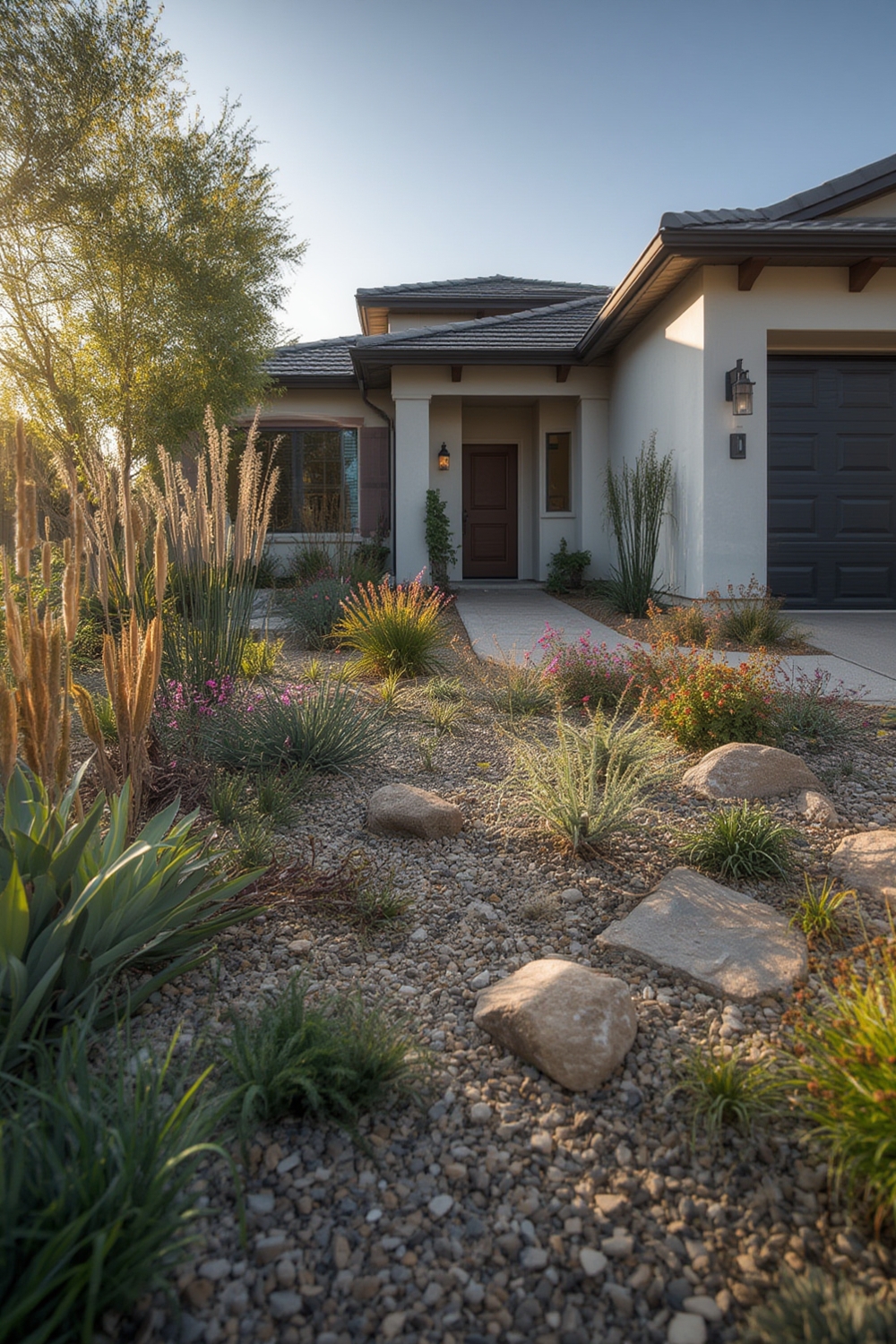
According to the EPA, about 30% of household water in the U.S. goes to outdoor use, and in arid zones this figure exceeds 50%. Modern research shows that replacing lawns with well-designed drought tolerant landscaping can cut this outdoor portion by 30–70%, depending on your climate and design choices. This shift delivers real savings, resilience, and often a more visually dynamic space than turf ever could.
Step-by-Step Guide
Ready to shift to a drought wise yard? Here’s a practical path to success based on current industry, university extension, and conservation authority recommendations.
- Analyze your site
- Map sun and shade, soil type (clay, sand, loam), drainage patterns, and watering zones.
- Check any HOA rules or local codes regarding plant heights, setback, or water use.
- Design for hydrozoning
- Group plants by similar water needs for efficient irrigation.
- Plan for visual interest year-round: use a mix of natives, succulents, grasses, and seasonal color.
- Preview mature plants using local extension websites or landscape design apps.
- Remove existing turf and prep the soil
- Remove old grass via sheet mulching, a sod cutter, or solarizing (covering with clear plastic).
- Boost soil health: mix in compost to improve water retention, and loosen compacted ground to help roots establish.
- Install efficient irrigation
- Convert old spray heads to drip tubing or bubblers where possible.
- Install smart controllers that adjust automatically for weather and soil.
- Group irrigation zones by plant water needs to ensure precise watering.
- Select the right drought tolerant plants for your region
- Rely on native/adapted plant lists from your local extension, such as the ones below for major U.S. zones.
- Check local availability and use smaller container sizes (4-inch, 1-gal) to reduce cost and improve establishment.
- Mulch and plant
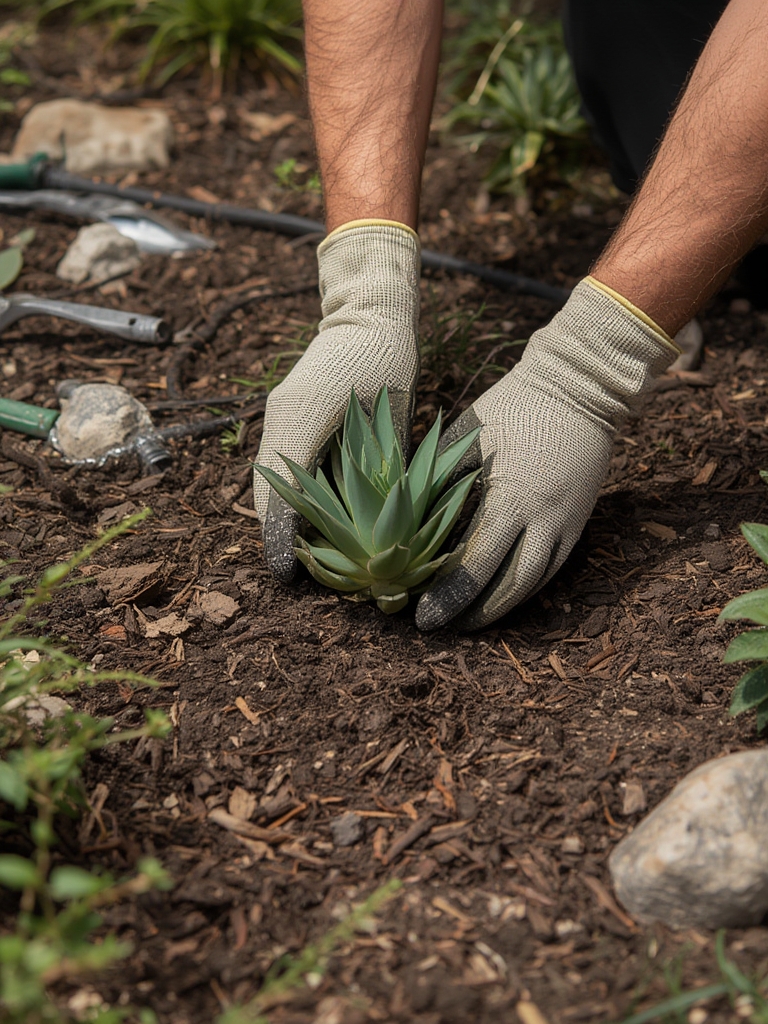
- Apply 2–4 inches of natural mulch or gravel to retain moisture and suppress weeds.
- Plant at the density recommended for each species, erring on the sparser side to allow for mature spread.
- Establishment and first year maintenance
- Water regularly until roots are established (a year or two for most perennials and shrubs).
- Spot weed frequently to help your new landscape fill in cleanly.
- Ongoing care and fine-tuning
- Once established, dial back watering to occasional, deep soaks (often only 1–2 times per month in summer for most true drought tolerant plants).
- Replenish mulch every couple years. Prune, thin, and replace plants as needed for health and appeal.
- Check for available turf removal rebates and smart irrigation incentives with your city or water utility. Many offer $1–$5 per square foot for eligible conversions.
- For more detail on planning and working with professionals, read our Expert Guide to Landscaping Services Near You for a Beautiful Landscape.
Advanced Analysis & Common Pitfalls
While drought tolerant landscaping delivers major savings, homeowners regularly encounter these challenges during transition and long-term management:
| Issue | What to Expect | How to Address |
|---|---|---|
| Design & plant selection confusion | Choosing compatible plants, envisioning mature appearance, and grouping for hydrozoning can be daunting. | Use region-specific landscape templates or work with local experts. Many utilities and extensions offer free design plans. |
| First-year maintenance shock | Establishment phase (first 1–2 years) requires more frequent watering and weeding than many expect—“low-water” does not mean “no water.” | Plan for higher up-front effort, set reminders for drip adjustments, and be patient as plants fill in. |
| Weeds and mulch management | Weeds may emerge through mulch/gravel, requiring new weeding strategies. | Invest in dense mulch layers, pre-emergent weed fabric, and early vigilance until plants fill gaps. |
| HOA or neighborhood pushback | Non-lawn front yards can draw complaints or violate conventions/codes. | Talk to neighbors, consult HOA and city regs early, and create a tidy, intentional look with planned borders and paths. Some cities now recognize drought wise yards as compliant with codes. |
| Cost overruns | DIY runs $2–$6/sq ft; professional jobs are $8–$20+ in 2024. Extras (hardscape, large plants) push higher. Rebates help but don’t cover all costs. | Start small, use extension-curated plant lists, and shop for locally sourced smaller plants where possible. Apply for rebates early in the process. |
| Long-term adaptation | Plants may need thinning, re-mulching, or replacement at years 3–10 as communities evolve. Lawns grow back if roots are left unaddressed. | Schedule regular checks, consider fire-wise spacing, and budget for occasional plant replacement. |
One of the biggest missing pieces in typical landscaping advice is a hard number: Most American homes could lower their whole water bill by 10–20% with effective drought tolerant landscaping, given that about 30% of household water is used outdoors (and up to 50%+ in hot regions) [source]. Some western cities now require turf reduction in new builds and offer significant rebates (often $1–$5/sq ft turf removed).
For a deeper look at how landscape design and water usage compare, check out this Complete Guide to Transforming Your Landscape.
Soil function, hydrology, and thoughtful microclimate engineering all matter. Adding organic matter, using contour beds to hold rainwater, and providing shade from trees or structures all cut irrigation needs. Many local extensions provide step-by-step advice for amending and grading your site. For plant options by region and typical water needs, see the table below:
| Climate Zone | Recommended Species | Water Needs / Irrigation (established) |
|---|---|---|
| Mediterranean / Coastal CA | California sagebrush, Cleveland sage, manzanita, California lilac, toyon, deer grass | Very low to low—deep irrigation only every 3–4 weeks in summer; little to none in winter |
| Desert Southwest | Desert willow, mesquite, palo verde, globe mallow, penstemons, Apache plume | Very low—deep drip irrigation every 3–4 weeks in summer |
| Intermountain West / High Plains | Rabbitbrush, serviceberry, Rocky Mountain penstemon, yarrow, blue grama grass | Low—one deep irrigation every 2–3 weeks in summer (see official Utah extension guidance) |
| Pacific Northwest | Oregon grape, red-flowering currant, kinnickinnick, oceanspray, tufted hairgrass | Low to moderate—little or no summer irrigation in cool coastal sites; 2–4 weeks inland |
| Upper Midwest / Northeast | Purple coneflower, blazing star, switchgrass, little bluestem, black-eyed Susan, New England aster | Moderate drought tolerance—no regular irrigation in normal years after establishment |
| Southeast | Beautyberry, muhly grass, coreopsis, eastern redbud, inkberry holly | Moderate—mainly supplemental water in extended summer dry spells |
| Southern Plains / Texas | Texas sage, esperanza, lantana, buffalo grass, salvia greggii | Low—deep watering weekly to bi-weekly in hot dry periods |
Want even more actionable ideas, including maintenance planning for years 3–10? See our guide on Unlocking the Beauty of Your Outdoor Spaces for real-world examples and expert guidance.
Conclusion
Drought tolerant landscaping is a proven, practical strategy to reduce outdoor water use, cut monthly bills, and create resilient, beautiful environments. The learning curve is real—from plant picking to early maintenance and dealing with HOA or neighbor pushback—but the long-term benefits increasingly make the effort worthwhile. Ready to make the switch? Start small, gather local advice, and take advantage of the rebates and design resources now common in many cities. Don’t just save water—reimagine what your yard can offer with drought tolerant landscaping.
Have more questions or want professional help? Explore our expert guide to landscaping services or connect with local landscape pros to get started now.
FAQ
How much water can I realistically save with drought tolerant landscaping?
Studies show typical reductions of 30–70% in outdoor irrigation needs compared to traditional lawns, with most homes lowering total water use by 10–20% depending on your local climate.
How much does a full yard conversion cost?
DIY conversions usually run $2–$6 per square foot. Professional installs range $8–$20+ per square foot, with high-end projects going higher. Many regions offer rebates of $1–$5 per square foot for turf removal.
Will my new landscape look good right away?
Usually not—most drought wise landscapes look sparse the first year or two until plants mature. Planning for “filler” annuals or using tighter plant spacing can help during the transition.
Is drought tolerant landscaping allowed by my HOA or city code?
Many cities now encourage it, but rules vary. Always check HOA and city codes before starting. Some regions require specific plant spacing, setbacks, or coverage standards.
What if I want professional help designing or installing my project?
Many local landscaping services now specialize in climate-adapted yards. Read our complete guide to transforming your landscape for step-by-step hiring tips.